
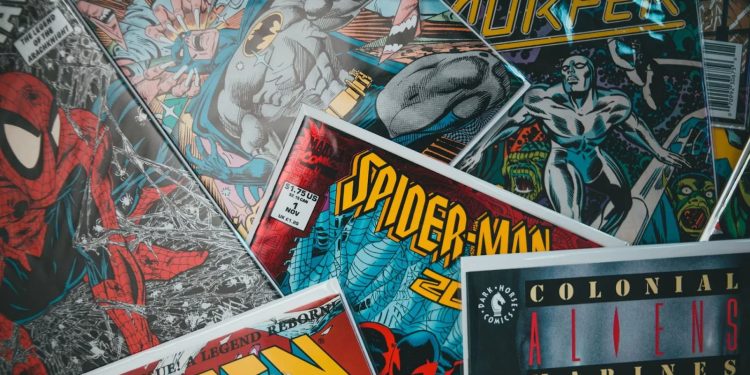
More than just entertainment, comic books are a unique way of telling a story that has been around for millennia. From primitive drawings on cave walls to modern day superheroes, comics reflect the evolution of not only art, but society as a whole. In this article, we dive into a fascinating journey through time to reveal how this form of creativity has changed through different eras, cultural shifts, and technological revolutions. From early visual storytelling to a global phenomenon, comics continue to be an important tool for expressing ideas and emotions, finding new forms and audiences every year.
From Antiquity to the Middle Ages: Origins of the First Images
Comics, as a genre in their own right, did not suddenly emerge. Their roots go back to the earliest forms of human art, such as cave drawings created tens of thousands of years ago. These images, often illustrating scenes of hunting or everyday life, served not only a decorative purpose, but also had the function of conveying information or history. Cave drawings can be seen as primitive predecessors of comic books, as they sought to record events through a sequence of pictures, albeit without text.
As civilizations developed, images continued to play an important role in storytelling. In ancient times, Egyptian frescoes and reliefs placed in tombs and temples conveyed myths and historical events. Each image was part of a larger narrative, creating a structure akin to comic books. During the Middle Ages, manuscripts containing religious texts were often decorated with illustrations that helped convey the content, making it more accessible to people with low literacy levels. It was also during this time that the first primitive cartoons and satirical images began to appear, foreshadowing the later development of comic culture.
The 19th century: The birth of the modern comic book
The 19th century was a crucial period for the formation of comics as the genre we know today. It was the time when comics began to take the form we are familiar with in today’s newspapers, magazines, and books. With the development of the printing industry, comics began to gain mass attention and become an important part of the culture.
- The first comic book: The Adventures of Obadiah Oldbuck
One of the first comics that can be considered a true precursor to the modern genre was “The Adventures of Obadiah Oldbuck”, published in 1842. This comic book, created by Swiss artist Rudolf Tepfer, was a series of illustrations with text, which laid the groundwork for the future development of the format. Although the comic strip was a small part of the print market, its success demonstrated the potential of the genre.
- The heyday of comics in newspapers
In the 1880s, comic strips began to proliferate through newspapers. One of the first mass-produced comics was “The Yellow Kid”, which became popular in New York in 1895. This character, depicted in a yellow T-shirt, became iconic and had a significant influence on the further development of the genre. Comics caught the attention of not only children, but also adults, and began to occupy more and more space in newspapers. This was the time when comics became an everyday phenomenon and began to form their first canons.
- Comic strips and their influence
With the development of comic strips in newspapers, comic strips began to appear in the early 20th century. These strips, such as Little Nemo in Slumberland, created by Winsor McCay in 1905, were a milestone in the history of the genre. McKay was an innovator who began using more complex storylines and colorful illustrations, which took comic books to a new level. Such strips took their place in mainstream newspapers and became an important part of daily reading.
- Development of comic magazines
The late nineteenth century saw the emergence of specialized comic magazines that offered longer and more complex stories. These magazines gave authors and artists the opportunity to develop characters and plots in a more in-depth format than regular newspapers. This was an important step towards the formation of the superhero comic book genre, as well as other more serious forms such as graphic novels.
- The influence of printing technology
The success of comic books in the nineteenth century would not have been possible without the rapid development of printing technology. Improvements in the quality of offset printing made it possible to create vivid and detailed images, which greatly increased the visual appeal of comic books. These improvements have led to comic books being made available to a wider audience and gaining popularity around the world.
The 20th century: The Golden Age and superheroes
The 1930s and 40s are known as the “Golden Age” of comics, when the superhero genre became a mainstream phenomenon. This period was marked by the creation of iconic characters such as Superman, Batman and others, making comics an important part of pop culture and the beginning of the dominance of giants DC Comics and Marvel Comics.
The appearance of the first superheroes
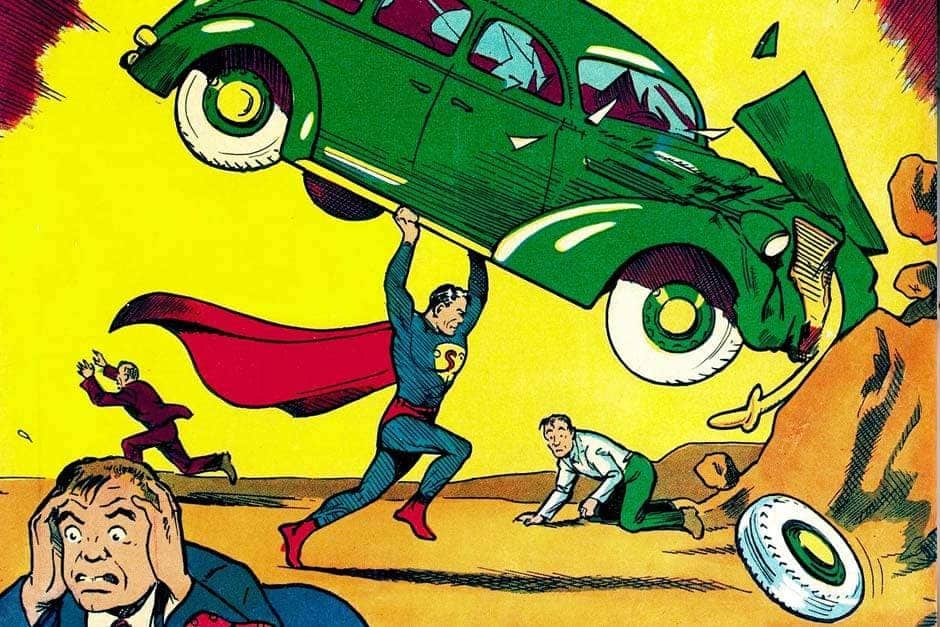
In 1938, Action Comics #1 was released with the debut of Superman, created by Jerry Siegel and Joe Shuster. Superman was the first superhero with unique powers, symbolizing strength and justice. In 1939, Batman appeared, who, unlike Superman, did not have superpowers, but was a skilled fighter and detective. These characters became the basis for all subsequent heroes.
The birth of DC Comics and Marvel Comics
In 1939, the studio DC Comics was founded, which led to the creation of characters such as Wonder Woman and Green Lantern. In the 1960s, Marvel Comics led by Stan Lee added new characters such as Spider-Man and the Hulk, characterized by complex personality issues and more human traits. This brought new depth to the superhero genre and appealed to a wider audience.
Mass popularity and cultural impact
During this period, comic books became a mass phenomenon, expanding beyond magazines and newspapers into radio shows, television shows, and movies. Superheroes became not only entertainment but also cultural and political symbols, especially during World War II when they represented the fight against fascism.
Changes in society and comic books
With the introduction of characters such as Black Panther, comics became more inclusive, touching on themes of racism and social justice. These changes broadened the audience and deepened the social relevance of comics, which continues to be relevant in today’s world.
The 21st Century: The Digital Revolution and Graphic Novels
With the rise of the internet, comics have undergone a significant transformation. Web comics, mobile apps, and digital platforms opened new avenues for creators to distribute their work, allowing them to directly reach a global audience. Digital technologies also enabled the creation of interactive and multimedia comics that combined images, animation and sound, expanding creative possibilities.
One of the most significant phenomena were graphic novels, which took comics to a new level. Works such as “Persepolis” by Marjane Satrapi and “Maus” by Art Spiegelman showed that comics could address serious and deep topics. These works have caught the attention of not only comic book fans but also critics, and have even won prestigious awards like the Pulitzer Prize for “Maus”. Digital platforms like Webtoon and Tapas have also fueled the growth of the independent comics scene by giving creators the freedom to publish.
Comics Today: Global Culture and the Future
Today, comic books have become an important part of popular culture, inspiring movies, video games, and television shows. The Marvel and DC movie universes, with their characters and stories, have become global media franchises, attracting billions of viewers worldwide. Comic book film adaptations are at the forefront of the movie industry and continue to expand the genre’s influence.
The comic book industry is growing thanks to digital platforms such as Webtoon and Tapas, which allow creators to interact directly with readers. Comics cover a variety of topics, including inclusion and social justice, and new technologies such as VR and AR are opening up opportunities for interactive and multimedia storytelling. The future of comics promises to be more engaging and accessible to a wider audience.