Win Airlines Takes Flight in the World of Adult Digital Entertainment

Settling Into a Comfortable Casino Experience

Modern players often compare online casinos to long-haul flights: the seat matters, the service rhythm matters, and the entertainment options make the hours disappear. Win Airlines creates that same sense of comfort by offering an interface that feels calm rather than cluttered. Menus stay visible without overwhelming the screen, and users can switch between slots, table games, and live dealer rooms in a few clicks. The color palette relies on deep navy and warm gold tones instead of flashing neons, which reduces eye strain during late-night sessions. Sound design stays optional, allowing players to mute reels or background music instantly when they want focus or silence. These small details turn a quick visit into something that feels thoughtfully arranged, like boarding a flight with enough legroom and a calm cabin crew.

Practical testing shows how the platform handles everyday habits. A player might open the lobby on a phone during a commute, switch to a tablet at home, and finish the evening on a laptop without losing progress or needing to restart the app. Session timers appear in the corner so users can track time without breaking immersion, while quick cash-out buttons remain visible even during active spins. Deposit flows use familiar banking icons and short confirmation screens, avoiding the confusion of extra verification steps for returning visitors. This level of consistency makes the experience feel designed around real life rather than idealized demo videos.

Exploring Slots and the Pace of Modern Play

Slots remain the most visited section for many users because the format rewards short attention spans while still offering rich visual storytelling. Popular titles on Win Airlines feature 5-reel or 6-reel setups with 20 to 50 paylines, yet each game loads in under four seconds on average connections. Animation quality varies from classic fruit machines to cinematic adventures set in ancient temples or neon cityscapes, but reel speed stays adjustable. Players can choose between turbo spins for rapid results and slower, more deliberate pacing when they want to savor every symbol stop. Bonus rounds often appear within the first fifty spins, keeping engagement high without requiring long dry spells before any feature triggers.

One popular slot presents a music-themed journey where wild symbols multiply wins across three consecutive reels. Another uses a cascading mechanic that removes winning symbols and drops new ones into place, creating chain reactions that can extend a single spin into several automatic re-evaluations. These mechanics sit alongside simpler three-reel classics aimed at users who prefer immediate outcomes. The variety allows different moods to coexist in the same lobby, much like a flight offering both quiet reading lights and in-flight movies. Progressive jackpot meters update in real time across multiple games, showing the growing prize pool without forcing every player to chase the same title.

Live Casino Streams and the Feel of Shared Tables

Livestream casino content adds a social layer that recorded slots cannot match. Professional dealers handle cards or wheels in real time while chat windows let viewers exchange quick comments or emoji reactions. On Win Airlines, streams run in high definition with multiple camera angles, including overhead views for roulette and close-ups for card reveals. Players can join tables with minimum bets as low as one credit or step into higher-stakes rooms when they feel ready. The delay between action and video feed stays minimal, preserving the tension of watching a wheel slow down or a dealer flip the final card.

Live blackjack tables typically support six to eight seats, yet the platform also offers solo modes where a single player faces the dealer without competing for spots. Baccarat rooms favor rapid rounds, completing an entire shoe in under twenty minutes when players select the turbo option. Roulette streams include both European and American wheel variants, with side bets available for those who enjoy higher volatility. Hosts often announce upcoming bonus rounds or themed events, creating anticipation similar to an in-flight announcement about upcoming service. Viewers who prefer observation can mute the chat and focus solely on the table action, giving each user control over how social the session becomes.

Popular Gambling Games Beyond the Reels

While slots dominate screen time, other games create different rhythms of play that many frequent visitors rotate through during longer sessions. Blackjack rewards decision-making and card tracking, while roulette leans on probability and bankroll pacing. Video poker sits between the two, offering skill elements within a fast five-card format. Win Airlines presents these options with clear rule summaries that appear in expandable panels rather than separate pop-ups, keeping the flow uninterrupted. Players can practice in demo mode before switching to real-money tables, which helps newcomers learn betting patterns without immediate financial exposure.

  • European roulette offers a single zero and standard payouts, favored by players seeking lower house edge.
  • Lightning baccarat adds random multipliers to select hands, increasing excitement during otherwise steady rounds.
  • Three-card poker combines ante and play bets with a side bet on the dealer’s qualifying hand.

These choices allow users to balance risk, duration, and required attention. A player might spend twenty minutes on a video poker machine chasing a royal flush before moving to a live roulette table for a change of pace. The platform displays RTP percentages and volatility ratings next to each game thumbnail, offering transparent guidance rather than leaving users to guess at expected return rates.

Player Safety, Modern Leisure, and Thoughtful Transitions

Safety features form the backbone of any responsible leisure platform. Win Airlines implements deposit limits, time reminders, and self-exclusion periods that users can activate directly from account settings. Reality-check pop-ups appear after sixty or ninety minutes, presenting a simple summary of time spent and amounts wagered. These tools respect adult decision-making while providing clear data for those who want to monitor their habits. Two-factor authentication protects logins, and transaction histories remain accessible for personal review or export at any time.

Modern leisure habits increasingly favor flexible, on-demand access over fixed schedules. Users might enjoy twenty minutes of slots during lunch or join a late-night live table when travel or remote work creates irregular downtime. The platform supports both patterns by maintaining stable performance across devices and offering pause functions that do not penalize interrupted sessions. Responsible design also includes clear links to external support resources when users feel they need additional guidance. By placing these options within reach rather than hidden menus, the experience respects both entertainment and personal boundaries.

Comfort, pacing, and clarity together define what many current users seek when they explore adult digital entertainment. Win Airlines casino environments balance visual appeal with functional simplicity, allowing players to focus on the games rather than navigating confusing layouts. Whether someone prefers rapid slot spins, conversation-filled live streams, or methodical table play, the structure accommodates varied preferences without forcing a single style of engagement. Over time, these layered choices build familiarity that turns first visits into recurring, low-friction leisure moments. For those ready to explore the full range of options, Win Airlines Casino provides an entry point designed around how people actually play today.
Posted by / July 29, 2026 / Posted in News

Inside the World of Wild Tiger Slot and How Digital Entertainment Keeps Evolving

The Rise of Livestream Casino Content and Why Viewers Keep Returning

Modern players often discover new games through live streams rather than traditional ads. Watching someone spin reels in real time creates an immediate connection that static screenshots cannot match. The chat scrolls with reactions, hosts crack jokes, and sudden bonus rounds generate genuine surprise that feels shared among hundreds of viewers. This format turns solitary slot play into a social event where people compare near-misses and celebrate together when a feature lands. Over the past few years the production quality has improved dramatically, with multiple camera angles and professional lighting that make the experience feel closer to television than simple screen recording.

Many streamers now specialize in particular titles, building loyal audiences who return nightly for consistency. They explain paytable quirks without turning the stream into a tutorial, instead focusing on entertainment value and personality. The result is that viewers start recognizing patterns across sessions and develop their own preferences for certain bonus mechanics or volatility levels. This kind of repeated exposure helps people understand what they enjoy most before committing their own time or funds to a game. The conversational tone of these broadcasts also lowers the barrier for newcomers who might otherwise feel overwhelmed by the sheer number of options available today.

Live casino shows frequently rotate through different game types during a single broadcast, giving audiences a broad sampler without requiring them to switch platforms. One moment might feature a classic three-reel setup while the next switches to a sprawling grid slot with cascading symbols. This variety mirrors how many people actually consume entertainment today, moving fluidly between short clips and longer immersive sessions. The immediacy of live chat also means hosts can respond to audience suggestions in real time, sometimes even taking viewer requests for specific titles or bet levels that creates a collaborative feel absent from solo play.

How Slot Libraries Are Organized in Modern Platforms

Contemporary casino sites arrange their slot collections using intuitive categories that go far beyond simple alphabetical lists. Themes range from ancient myths and futuristic cities to branded properties based on popular movies or music acts. Players can filter by volatility, return-to-player percentage, or number of paylines, allowing quick navigation toward games that match their preferred risk profile. Search functions also support keywords such as “megaways” or “progressive,” which helps experienced users locate specific mechanics without endless scrolling through thumbnail grids.

Beyond basic filters, many platforms include curated collections built around seasonal events or current trends. A summer campaign might highlight beach-themed titles while a major sports tournament prompts the addition of related branded games. These rotations keep the library feeling fresh even for regular visitors. Recommendation engines further personalize the experience by analyzing past play data and surfacing titles with similar mathematical structures or visual styles that previously held a player’s attention. The overall effect resembles a well-curated streaming service where discovery feels guided rather than overwhelming.

Another practical detail involves how providers tag their releases. Some studios focus on high-volatility experiences with infrequent but substantial wins, while others prioritize steady smaller payouts across hundreds of spins. Players who understand these differences can better align their bankroll and session length with the games they choose. Many sites now display volatility indicators directly on the game tile, saving time and reducing frustration from mismatched expectations. This transparency reflects broader industry movement toward clearer communication about what each title actually delivers during extended play.

Popular Gambling Games Beyond the Reels

While slots dominate conversation around digital casinos, other game types continue to attract dedicated followings. Table games such as blackjack and roulette have migrated successfully to live dealer environments where real croupiers interact with remote players through high-definition streams. The social element returns through chat boxes where participants can congratulate winners or commiserate over tough beats. These formats appeal to people who enjoy strategic decision-making more than pure chance, creating a different rhythm compared with the rapid spins typical of most slot sessions.

Crash-style games and instant-win titles have gained traction among younger audiences seeking faster feedback loops. These mechanics involve watching a multiplier climb until a random crash point, requiring players to cash out at the right moment. The tension builds quickly and rounds conclude within seconds, fitting neatly into short breaks or commutes. Many platforms integrate leaderboards that track daily or weekly performance, adding competitive motivation that keeps players returning to beat their previous best multipliers or climb the ranking ladder.

Traditional lottery-style draws also appear in digital form, often with themed scratch cards or numbered ball selections that update in real time. These games occupy an interesting middle ground between passive entertainment and active participation. Some operators now blend them with slot-style bonus rounds, creating hybrid experiences that reward both ticket purchases and continued engagement. The variety ensures that people with different attention spans and risk tolerances can all find something that suits their current mood or available time.

  • Live dealer blackjack tables with real-time chat and multiple camera angles
  • High-volatility megaways slots featuring expanding reels and cascading symbols
  • Crash games where multipliers climb until players decide to cash out
  • Progressive jackpot networks that link dozens of titles across providers
  • Themed scratch cards that combine lottery draws with animated bonus features

User Experience Details That Shape Long Sessions

Interface design plays a larger role than many realize in whether someone stays engaged for dozens or hundreds of spins. Responsive button placement, clear balance displays, and customizable autoplay settings reduce friction during extended play. Sound design also matters; subtle reel-stop effects and celebratory jingles create emotional peaks without becoming repetitive after an hour. Color palettes shift depending on the theme, with warm amber tones for classic fruit machines and cooler blues for underwater adventures, guiding the player’s mood throughout the session.

Mobile optimization has become non-negotiable as more users access platforms exclusively through phones and tablets. Touch targets must remain large enough to avoid accidental taps while still fitting comfortably on smaller screens. Many operators now offer landscape mode that expands the playing field and reduces on-screen clutter. Battery usage and data consumption also factor into design decisions, with developers optimizing animations so that longer sessions remain practical without draining resources or requiring constant Wi-Fi access.

Another often-overlooked element involves how quickly games load between rounds. A delay of even two seconds becomes noticeable across hundreds of spins and can break immersion. Top platforms preload assets in the background so that switching titles feels almost instantaneous. This technical attention to speed contributes to the overall perception of professionalism and encourages players to explore more of the library rather than sticking with a single familiar game out of convenience.

Player Safety and Responsible Leisure Habits in Digital Spaces

Modern platforms integrate multiple tools designed to support balanced play without interrupting enjoyment. Session reminders appear at customizable intervals, while deposit limits and cooling-off periods can be set directly within account settings. These features operate quietly in the background until triggered, maintaining the fun atmosphere while quietly encouraging self-awareness. Reality checks that display time and spend summaries help players maintain perspective even during particularly engaging sessions.

Age verification processes have tightened across reputable sites, using document uploads or third-party services to confirm eligibility before real-money play begins. This step reduces the risk of underage access and signals that operators take regulatory responsibilities seriously. Additionally, many platforms partner with external organizations that specialize in gambling support resources, making helpline information easily accessible from multiple menu locations rather than buried in legal footnotes.

Community norms around streaming have also evolved to include responsible messaging. Hosts often mention time limits or encourage breaks during longer broadcasts, normalizing the idea that entertainment should remain optional rather than compulsive. Viewers pick up these cues and apply them to their own habits, creating a positive feedback loop where safety becomes part of the shared culture rather than an external imposition. The result is an environment where people can explore games like Wild Tiger Slots knowing clear boundaries exist if they choose to use them.

The Wild Tiger Slot experience fits naturally into this broader landscape of digital leisure. Its distinctive visuals and layered bonus structure encourage repeated visits without demanding marathon sessions. Players appreciate how the game balances familiar mechanics with unexpected twists, keeping each playthrough fresh while remaining accessible after just a few spins. As more people treat online entertainment as part of their regular downtime, titles like this continue to evolve alongside improved safety tools and social features that make the entire category feel more sustainable and enjoyable for a wider audience. The ongoing refinement of both content and platform design suggests that this form of leisure will keep expanding in thoughtful directions rather than simply growing in volume.

Posted by / July 29, 2026 / Posted in News

The Evolution of Comic Books: Tracing Their Journey Through History

More than just entertainment, comic books are a unique way of telling a story that has been around for millennia. From primitive drawings on cave walls to modern day superheroes, comics reflect the evolution of not only art, but society as a whole. In this article, we dive into a fascinating journey through time to reveal how this form of creativity has changed through different eras, cultural shifts, and technological revolutions. From early visual storytelling to a global phenomenon, comics continue to be an important tool for expressing ideas and emotions, finding new forms and audiences every year.

From Antiquity to the Middle Ages: Origins of the First Images

Comics, as a genre in their own right, did not suddenly emerge. Their roots go back to the earliest forms of human art, such as cave drawings created tens of thousands of years ago. These images, often illustrating scenes of hunting or everyday life, served not only a decorative purpose, but also had the function of conveying information or history. Cave drawings can be seen as primitive predecessors of comic books, as they sought to record events through a sequence of pictures, albeit without text.

As civilizations developed, images continued to play an important role in storytelling. In ancient times, Egyptian frescoes and reliefs placed in tombs and temples conveyed myths and historical events. Each image was part of a larger narrative, creating a structure akin to comic books. During the Middle Ages, manuscripts containing religious texts were often decorated with illustrations that helped convey the content, making it more accessible to people with low literacy levels. It was also during this time that the first primitive cartoons and satirical images began to appear, foreshadowing the later development of comic culture.

The 19th century: The birth of the modern comic book

The 19th century was a crucial period for the formation of comics as the genre we know today. It was the time when comics began to take the form we are familiar with in today’s newspapers, magazines, and books. With the development of the printing industry, comics began to gain mass attention and become an important part of the culture.

  • The first comic book: The Adventures of Obadiah Oldbuck

One of the first comics that can be considered a true precursor to the modern genre was “The Adventures of Obadiah Oldbuck”, published in 1842. This comic book, created by Swiss artist Rudolf Tepfer, was a series of illustrations with text, which laid the groundwork for the future development of the format. Although the comic strip was a small part of the print market, its success demonstrated the potential of the genre.

  • The heyday of comics in newspapers

In the 1880s, comic strips began to proliferate through newspapers. One of the first mass-produced comics was “The Yellow Kid”, which became popular in New York in 1895. This character, depicted in a yellow T-shirt, became iconic and had a significant influence on the further development of the genre. Comics caught the attention of not only children, but also adults, and began to occupy more and more space in newspapers. This was the time when comics became an everyday phenomenon and began to form their first canons.

  • Comic strips and their influence

With the development of comic strips in newspapers, comic strips began to appear in the early 20th century. These strips, such as Little Nemo in Slumberland, created by Winsor McCay in 1905, were a milestone in the history of the genre. McKay was an innovator who began using more complex storylines and colorful illustrations, which took comic books to a new level. Such strips took their place in mainstream newspapers and became an important part of daily reading.

  • Development of comic magazines

The late nineteenth century saw the emergence of specialized comic magazines that offered longer and more complex stories. These magazines gave authors and artists the opportunity to develop characters and plots in a more in-depth format than regular newspapers. This was an important step towards the formation of the superhero comic book genre, as well as other more serious forms such as graphic novels.

  • The influence of printing technology

The success of comic books in the nineteenth century would not have been possible without the rapid development of printing technology. Improvements in the quality of offset printing made it possible to create vivid and detailed images, which greatly increased the visual appeal of comic books. These improvements have led to comic books being made available to a wider audience and gaining popularity around the world.

The 20th century: The Golden Age and superheroes

The 1930s and 40s are known as the “Golden Age” of comics, when the superhero genre became a mainstream phenomenon. This period was marked by the creation of iconic characters such as Superman, Batman and others, making comics an important part of pop culture and the beginning of the dominance of giants DC Comics and Marvel Comics.

The appearance of the first superheroes

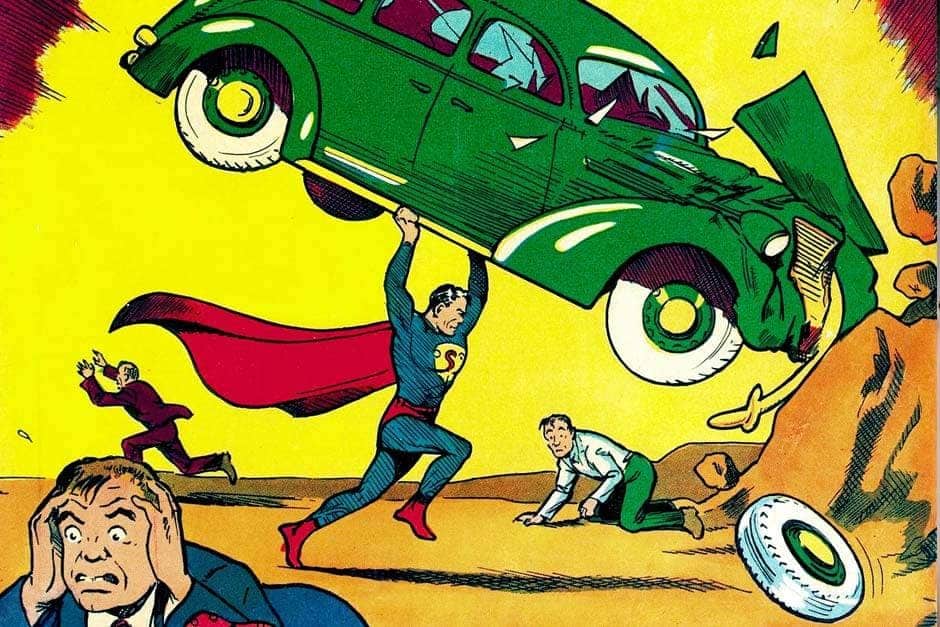
In 1938, Action Comics #1 was released with the debut of Superman, created by Jerry Siegel and Joe Shuster. Superman was the first superhero with unique powers, symbolizing strength and justice. In 1939, Batman appeared, who, unlike Superman, did not have superpowers, but was a skilled fighter and detective. These characters became the basis for all subsequent heroes.

The birth of DC Comics and Marvel Comics

In 1939, the studio DC Comics was founded, which led to the creation of characters such as Wonder Woman and Green Lantern. In the 1960s, Marvel Comics led by Stan Lee added new characters such as Spider-Man and the Hulk, characterized by complex personality issues and more human traits. This brought new depth to the superhero genre and appealed to a wider audience.

Mass popularity and cultural impact

During this period, comic books became a mass phenomenon, expanding beyond magazines and newspapers into radio shows, television shows, and movies. Superheroes became not only entertainment but also cultural and political symbols, especially during World War II when they represented the fight against fascism.

Changes in society and comic books

With the introduction of characters such as Black Panther, comics became more inclusive, touching on themes of racism and social justice. These changes broadened the audience and deepened the social relevance of comics, which continues to be relevant in today’s world.

The 21st Century: The Digital Revolution and Graphic Novels

With the rise of the internet, comics have undergone a significant transformation. Web comics, mobile apps, and digital platforms opened new avenues for creators to distribute their work, allowing them to directly reach a global audience. Digital technologies also enabled the creation of interactive and multimedia comics that combined images, animation and sound, expanding creative possibilities.

One of the most significant phenomena were graphic novels, which took comics to a new level. Works such as “Persepolis” by Marjane Satrapi and “Maus” by Art Spiegelman showed that comics could address serious and deep topics. These works have caught the attention of not only comic book fans but also critics, and have even won prestigious awards like the Pulitzer Prize for “Maus”. Digital platforms like Webtoon and Tapas have also fueled the growth of the independent comics scene by giving creators the freedom to publish.

Comics Today: Global Culture and the Future

Today, comic books have become an important part of popular culture, inspiring movies, video games, and television shows. The Marvel and DC movie universes, with their characters and stories, have become global media franchises, attracting billions of viewers worldwide. Comic book film adaptations are at the forefront of the movie industry and continue to expand the genre’s influence.

The comic book industry is growing thanks to digital platforms such as Webtoon and Tapas, which allow creators to interact directly with readers. Comics cover a variety of topics, including inclusion and social justice, and new technologies such as VR and AR are opening up opportunities for interactive and multimedia storytelling. The future of comics promises to be more engaging and accessible to a wider audience.

Posted by / January 16, 2025 / Posted in News

Reimagining Comics: The Blockchain Transformation

Comic books, as part of global pop culture, have come a long way from traditional paper pages to digital formats. But a new era is emerging in which blockchain, a technology made famous by cryptocurrencies, promises to fundamentally change the very nature of the comic book industry. Thanks to decentralized systems and non-fungible tokens (NFTs), content creators can now not only get fair monetization for their works, but also interact with audiences on new levels. Rethinking comics in the context of blockchain technology opens new horizons, transforming the industry into a space for innovation, creativity and mutual benefits.

What is blockchain and how is it changing the industry?

Blockchain is a decentralized technology that is a distributed database that ensures that all transactions are secure, transparent and immutable. Unlike traditional systems, blockchain allows participants to interact directly, without intermediaries. All transactions are recorded in blocks that are chained together, creating a secure and transparent system.

In the context of rethinking comics, blockchain brings many benefits:

  • Transparency of content rights: Blockchain technology allows creators to record their copyrights through tokenization, which prevents infringement and gives creators full control over their works.
  • Global audience access: Due to the decentralized nature of blockchain, creators can distribute their comics worldwide without intermediaries, opening up new markets and audiences.
  • Monetization through tokens and NFTs: Creators can produce unique digital works (e.g., NFTs) that can be sold to fans, providing new revenue streams and collecting opportunities.

Moreover, blockchain technology is being actively used in other areas, including cryptocurrencies and online casinos, which also opens up new opportunities for monetization and user interaction. For more information, you can read resource https://bonusescryptocasinos.com/.

NFT and new forms of collecting

One of the most prominent manifestations of the blockchain revolution in the comic book industry has been NFTs (non-replaceable tokens). These unique digital assets capture the authenticity and rarity of content, giving fans and creators the ability to own exclusive copies of comic books that cannot be tampered with or copied. Unlike regular digital copies, each NFT is unique and can become a true collector’s item.

NFT benefits to the comic book industry:

  • Unique Editions: Each issue of a comic book can be created as a single copy or limited edition, making it valuable to collectors. This adds exclusivity and allows the value of an issue to increase over time, especially if it becomes popular.
  • Author Support: Buying NFT allows fans to not only receive unique content, but also to support authors directly, without intermediaries. This promotes a fairer monetization model where the majority of revenue stays with the creator of the work.
  • Digital collections: Instead of traditional paper editions, fans can collect exclusive digital comic books, which are becoming a new kind of collector’s item. These digital works retain their value and uniqueness thanks to blockchain technology, allowing them to be exchanged or resold on the secondary market.

How is blockchain helping to decentralize the comics industry?

The traditional comic book industry has been centered around large publishers like Marvel and DC, who control the market and determine what comics will be published. This has limited opportunities for independent creators. Blockchain is changing this model, giving authors new ways to create and distribute content without intermediaries.

Decentralization enables:

  • Full control for authors: Blockchain gives authors the ability to control their own works without depending on large publishers. Technologies such as NFT and smart contracts allow authors to lock in their copyrights and self-manage the content production process.
  • Distribution without intermediaries: Eliminating intermediaries allows creators to receive a greater share of the profits from sales. Direct transactions through blockchain platforms provide a fairer monetization model.
  • Flexibility in content creation: Blockchain gives creators more freedom to create and distribute content. This opens up opportunities to experiment with new formats, genres and styles, which fosters innovative work.

Comic Book Market on Blockchain: Innovations and Risks

The use of blockchain technology in the comic book industry provides unique opportunities for creators and publishers, opening new horizons in monetizing and promoting content. NFT and tokenization create innovative ways to create exclusive digital works, and allow for greater transparency and control over copyrights. However, with these new opportunities also come certain risks that need to be considered.

The main risks are:

  • Cryptocurrency volatility: Because many NFTs and tokens in the comic book ecosystem are traded for cryptocurrencies, the high volatility of the crypto market could affect the value of these assets. Sharp fluctuations in cryptocurrency prices can lead to significant changes in the value of digital works, increasing risks for creators and collectors alike.
  • Security issues: Blockchain, while providing a high level of security, is not immune to potential technical problems. Misuse of blockchain technology or insecure storage can lead to the loss of unique digital works or their copying. The issue of protecting the rights and security of data becomes especially important if it is stored on platforms vulnerable to attack.
  • Legal issues: The regulation of digital rights and copyrights in the context of blockchain technology remains uncertain. Approaches to digital assets such as NFTs can vary widely from country to country, creating legal uncertainty. This can lead to disputes over the legality of the use or transfer of content, as well as copyright enforcement problems internationally.

How can comics become part of the meta-universe?

With the development of meta-universes, comics have new opportunities for integration into virtual worlds. Using blockchain and NFT, authors can create not only static works, but also living, dynamic universes where fans can not only read, but also actively interact with the content.

Potential for meta-universes:

  • Interactive comics: In a meta-universe, fans can influence the development of the story, interact with characters, and even change the course of events. This approach turns comics into an interactive experience where every reader becomes a participant in the story.
  • Meta-universe economies: Using tokens and NFTs, unique economies can be created within virtual comic universes. This allows for the creation of systems of exchange, buying and selling items, story objects, and even unique storylines, providing authors with new ways to monetize.
  • Networking opportunities: New forms of social activity can arise in meta-universes, such as the creation of fan communities around favorite comics and authors. Fans can interact with each other, share content, and participate in collaborative events such as virtual presentations or premieres.

Posted by / January 16, 2025 / Posted in News

Collectible Comics: Value and Profitability

Collectible comics have long fascinated enthusiasts and investors alike. Initially, comics were seen as mere entertainment for children, but over time, their cultural and financial value has significantly evolved. Today, certain comic books are considered valuable assets, with some fetching thousands or even millions of dollars at auctions. The profitability of collectible comics is influenced by various factors, including rarity, condition, historical significance, and the popularity of the characters or creators involved.

The History of Comic Book Collecting

The origins of comic book collecting can be traced back to the early 20th century. The Golden Age of Comics, starting in the late 1930s, marked the debut of iconic characters like Superman and Batman. These early issues are now highly sought after by collectors. The Silver Age, beginning in the mid-1950s, introduced a new wave of superheroes, further cementing the comic book’s place in popular culture.

Key moments in the history of comic book collecting include:

  • The Golden Age (1938-1956): Introduction of superheroes; early issues become highly collectible.
  • The Silver Age (1956-1970): Revival of superhero comics; significant increase in the number of collectors.
  • The Bronze Age (1970-1985): Introduction of more complex storylines and diverse characters; growth in the comic book market.
  • The Modern Age (1985-present): Rise of independent publishers and digital comics; continued interest in vintage issues.

These periods have each contributed to the growth of comic book collecting, making it a dynamic and ever-evolving hobby. The value of collectible comics is not static; it fluctuates based on market demand, cultural trends, and the discovery of rare issues. Understanding the history and factors that influence comic book value is crucial for anyone looking to invest in this unique market.

Factors Influencing Comic Book Value

Several key factors determine the value of collectible comics, making them a potentially profitable investment. Understanding these factors is essential for collectors and investors alike.

Rarity: The scarcity of a comic book significantly impacts its value. Limited print runs, discontinued series, or issues that were not widely distributed are often more valuable. Rare variants, such as first editions or special covers, can also command higher prices.

Condition: The physical state of a comic book is crucial. Comics in mint or near-mint condition are far more valuable than those with visible wear and tear. Factors such as creases, tears, discoloration, and spine damage can drastically reduce a comic’s value.

Age: Older comics, particularly those from the Golden and Silver Ages, are generally more valuable. These periods produced many iconic characters and storylines, making early issues highly sought after by collectors.

Cultural Significance: Comics that feature the first appearance of a popular character or a significant storyline often have higher value. Issues that have had a substantial impact on popular culture or have been adapted into successful films or TV series also tend to be more valuable.

The Role of Grading in Comic Book Value

Comic book grading plays a pivotal role in determining the value and profitability of collectible comics. Grading provides a standardized assessment of a comic’s condition, which is crucial for buyers and sellers.

  • Importance of Grading: Grading offers a reliable way to evaluate a comic’s condition, ensuring transparency in transactions. A professionally graded comic is more likely to fetch a higher price, as buyers have confidence in the assessed condition.
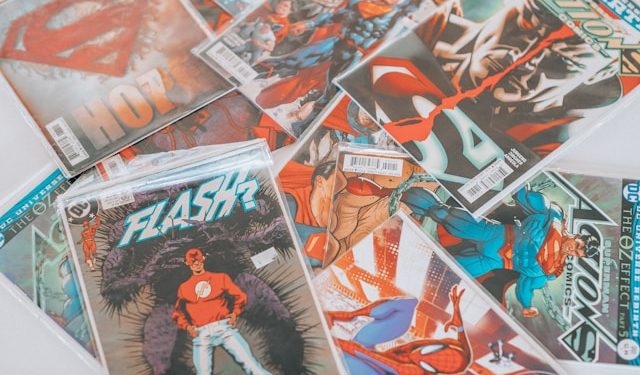
  • How Grading Works: Comics are graded on a scale from 0.5 to 10, with 10 being perfect mint condition. Professional grading services, such as the Certified Guaranty Company (CGC), assess various aspects, including cover integrity, page quality, and overall preservation. The comic is then encapsulated in a protective case with a label indicating its grade.
  • Impact on Value and Profitability: A higher grade can significantly increase a comic’s value. For instance, a comic graded at 9.8 can be worth exponentially more than the same issue graded at 7.0. Grading also helps in preserving the comic’s condition, making it a more secure investment over time.

Understanding these factors and the role of grading can help collectors make informed decisions, maximizing the value and profitability of their comic book investments.

Modern Trends in Comic Book Collecting

The comic book market has evolved significantly, with modern trends shaping the landscape of collecting. One notable trend is the rise of digital comics. Digital platforms offer convenience and accessibility, allowing readers to enjoy their favorite stories on various devices. However, when it comes to collectible value, physical copies still hold a distinct advantage.

Physical comics, especially vintage issues, are tangible assets that can appreciate over time. The tactile experience, coupled with the historical and cultural significance of older issues, makes them highly desirable among collectors. Limited print runs and special editions further enhance their value. Conversely, digital comics lack the scarcity and physical presence that drive the collectible market. While they offer a modern reading experience, they do not possess the same investment potential as physical copies. Collectors often prioritize physical comics for their potential to increase in value and their ability to be graded and preserved.

Comic Book Investment Strategies

Investing in collectible comics requires a strategic approach. Here are some tips to help you navigate the market:

  • Identify Key Issues: Focus on comics with significant first appearances, landmark storylines, or those created by renowned artists and writers. Issues from the Golden and Silver Ages are particularly valuable.
  • Assess Condition: Always evaluate the condition of a comic before purchasing. Mint or near-mint condition comics are more likely to appreciate in value. Consider professional grading to ensure accurate assessment.
  • Research Market Trends: Stay informed about current market trends and demand. Popular characters and franchises often see spikes in value, especially with new movie or TV adaptations.
  • Diversify Your Collection: Don’t put all your investment into a single comic or series. Diversifying your collection can mitigate risks and increase the potential for profit.
  • Buy from Reputable Sources: Purchase comics from trusted dealers, auctions, or certified sellers to avoid counterfeit issues. Authenticity is crucial for maintaining value.

By following these strategies, collectors can make informed decisions, maximizing the profitability of their comic book investments.

Case Study: The Digital Collectible Market

In the realm of digital collectibles, items like CS:GO skins have garnered significant attention for their collectible value. Much like rare comic books, these digital assets can appreciate over time, driven by factors such as rarity, demand, and condition. The website CS2 ROI plays a crucial role in this market by helping users evaluate the profitability of their digital purchases. It provides detailed analytics and market trends, allowing collectors to make informed decisions about buying and selling CS:GO skins. This parallels the comic book market, where understanding the value and potential appreciation of an item is key to making profitable investments.

Notable High-Value Comic Sales

The comic book market has seen some extraordinary sales, highlighting the potential profitability of this collectible niche. Here are a few notable high-value comic book sales:

  • Action Comics #1: Known for the first appearance of Superman, a copy of this comic sold for $3.2 million in 2014, making it one of the most expensive comic books ever sold.
  • Detective Comics #27: Featuring the debut of Batman, this issue fetched $1.5 million at auction in 2020, underscoring the enduring popularity of iconic characters.
  • Amazing Fantasy #15: The first appearance of Spider-Man, this comic sold for $1.1 million in 2011, demonstrating the high value placed on key character debuts.
  • X-Men #1: The introduction of the X-Men team, this comic book sold for $492,937 in 2012, reflecting the significant interest in superhero team origins.
  • Batman #1: Featuring the first appearance of the Joker and Catwoman, this issue sold for $567,625 in 2013, highlighting the value of significant character introductions.

These sales illustrate the immense profitability potential in comic book collecting, driven by factors such as character debuts, rarity, and historical significance. Understanding these elements can help collectors identify valuable issues and make informed investment decisions.

The Future of Comic Book Collecting

The future of comic book collecting is poised for significant transformation, influenced by digitalization, evolving consumer preferences, and potential market shifts.

Digitalization: The rise of digital comics has introduced a new dimension to the comic book industry. Digital platforms offer convenience and accessibility, allowing readers to enjoy their favorite stories on various devices. However, digital comics lack the tangible qualities that make physical copies valuable collectibles. While digital comics provide a modern reading experience, they do not possess the same investment potential as physical copies, which can be graded and preserved.

Changing Consumer Preferences: As new generations of collectors emerge, their preferences and behaviors will shape the market. Younger collectors may prioritize modern issues, independent publishers, and diverse storylines over classic superhero narratives. This shift could lead to increased demand for contemporary comics and a broader range of collectible genres.

Market Shifts: The comic book market is subject to fluctuations based on cultural trends, media adaptations, and economic factors. The success of comic book-based movies and TV shows can drive up the value of related issues. Additionally, economic conditions can influence disposable income and investment behaviors, impacting the overall market for collectible comics.

—

Collectible comics have evolved from simple entertainment to valuable assets, influenced by factors such as rarity, condition, age, and cultural significance. The history of comic book collecting highlights the dynamic nature of this hobby, with each era contributing to its growth. Modern trends, including the rise of digital comics and changing consumer preferences, continue to shape the landscape.

Understanding the factors that influence comic book value and the role of grading is crucial for maximizing profitability. Strategic investment approaches can help collectors make informed decisions:

  • Identifying key issues
  • Assessing condition
  • Researching market trends

Notable high-value comic sales underscore the potential profitability of this niche market. As the comic book industry continues to evolve, collectors and investors must stay informed and adaptable, ensuring they capitalize on the opportunities within this unique and ever-changing market.

Posted by / September 25, 2024 / Posted in News

From Panel to Payout: The Evolution of Comic Book Heroes in Casino Games

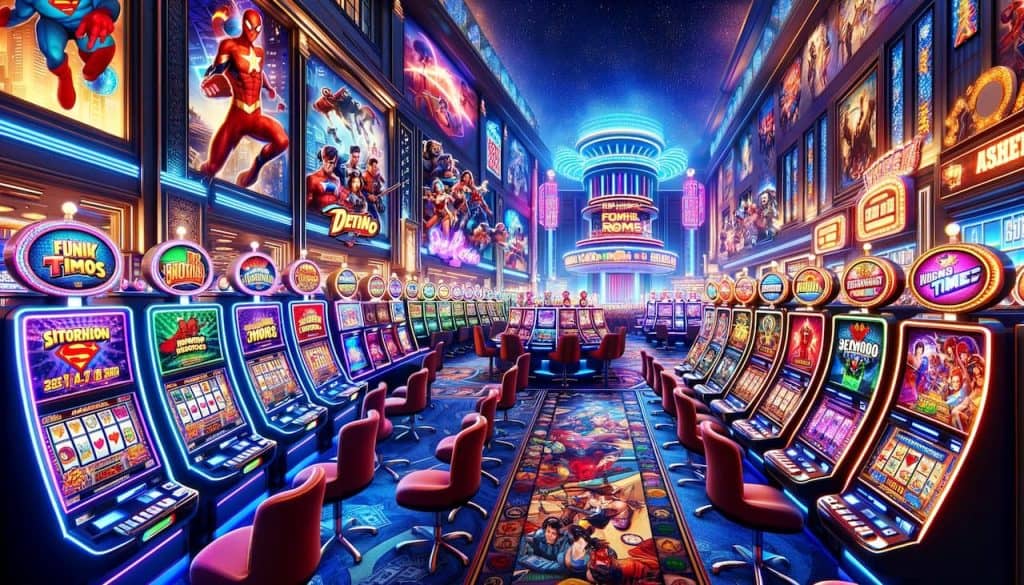
The fascinating journey of comic book heroes, from gracing the vibrant pages of graphic novels to becoming the centerpiece of bustling casino floors, marks a unique crossover of entertainment mediums. This blend of visual storytelling and gambling innovation offers a fresh perspective on both industries, showcasing how thematic elements can transcend their original contexts to create entirely new forms of engagement. At the heart of this evolution lies games like Funky Time, where the thrill of casino gaming is infused with the narratives and aesthetics of comic book lore, inviting players into a world where every spin can feel like an adventure.

The integration of comic book heroes into casino games represents a convergence of nostalgia, art, and technology, creating a unique niche that appeals to a broad spectrum of players. This article explores the journey of these characters from panel to payout, highlighting the creative processes, popular games, and player experiences that have made this genre a staple in the casino gaming landscape.

Comics in Casino Games

The crossover of comic book characters into the casino gaming realm is not a recent phenomenon. It traces back to a time when game developers first recognized the potential of integrating popular culture into gambling experiences. This initial foray was marked by simple, yet innovative adaptations, where iconic characters and narratives found new life on slot machine reels and electronic displays. These early games laid the groundwork for a genre that would grow in complexity and popularity, signaling the beginning of a lucrative partnership between two seemingly disparate worlds.

The success of comic-themed casino games is rooted in a mutual appreciation for storytelling and the universal appeal of heroes and villains. Early adaptations were characterized by a straightforward incorporation of comic elements into traditional games. However, as player expectations evolved, so did the games, becoming more elaborate and interactive. This evolution reflects a growing understanding of what players seek in a gaming experience: not just the thrill of the gamble but the immersion in a story.

Creating Comic-Themed Casino Games

Developing a comic-themed casino game like Funky Time involves a complex blend of creativity, technology, and respect for the source material. Game designers and developers embark on a creative process that begins with choosing the right characters and narratives that will resonate with players. This selection process is crucial, as it sets the tone for the entire game, influencing design decisions, gameplay mechanics, and player engagement strategies. The goal is to create a game that not only entertains but also honors the essence of the comic book heroes it features.

Creating a successful comic-themed casino game also demands a balance between complexity and accessibility. The game must offer depth and immersion, drawing players into the world of their favorite heroes, while also being easy to understand and play. Funky Time exemplifies this balance, providing an engaging experience that captures the essence of comic book adventures while ensuring that the gameplay remains straightforward and enjoyable for all players. This delicate balancing act is key to developing games that appeal to both comic book fans and casino enthusiasts alike.

Experience and Engagement

Engagement with comic-themed games like Funky Time reveals a deep connection between player identity and the characters or stories featured in the game. Players are not just participants in a gambling activity; they are active contributors to a narrative, where their actions can lead to various outcomes. This connection fosters a sense of involvement and loyalty, as players see themselves as part of a larger story unfolding with each spin or bet. The success of these games hinges on their ability to tap into this emotional investment, offering players not just a chance to win but to live out fantasies and adventures alongside their favorite heroes.

As players engage with games like Funky Time, they are not just seeking entertainment; they are searching for a sense of identity and belonging. The games provide a platform for immersion in a beloved universe, where the outcomes are unpredictable but the journey is always rewarding. This level of engagement has not only elevated the status of comic-themed casino games but has also underscored the importance of storytelling and character development in creating a successful gaming experience. In the end, it’s the stories that resonate, the heroes that inspire, and the adventures that captivate, transforming the casino floor into a place of endless possibilities and narratives.

Conclusion

The evolution of comic book heroes from the panels of graphic novels to the dynamic world of casino games like Funky Time represents a remarkable journey of adaptation and innovation. This crossover has enriched both the gaming and comic book industries, offering fans new ways to engage with their favorite characters and stories. Through careful development, creative design, and a focus on player experience, games like Funky Time have set a new standard for themed casino entertainment, proving that the worlds of comics and casino gaming are not just compatible but complementary. As players continue to seek out these unique gaming experiences, it’s clear that the legacy of comic book heroes will live on, not just on the pages of a comic but in the hearts of those who spin the reels, hoping for a bit of superhero luck to come their way.

Posted by / April 3, 2024 / Posted in News

The Convenience of Online Comic Book Stores: A Haven for Comic Enthusiasts

Comic book enthusiasts have long cherished the joy of diving into the colorful and imaginative worlds of their favorite superheroes. In the digital age, the accessibility of comics has taken a giant leap forward, thanks to the emergence of online comic book stores. These platforms offer a convenient and exciting way for fans to explore, collect, and indulge in their love for comic books. With a plethora of titles, genres, and editions available at the click of a button, online comic book stores have revolutionized the way fans engage with their beloved medium.

Exploring the Extensive Catalog

One of the most significant advantages of online comic book stores is the vast catalog of titles they offer. Whether you’re a fan of the iconic superheroes from Marvel or DC Comics or prefer independent and lesser-known publications, online stores provide an extensive range of choices to cater to every taste. Unlike physical stores with limited shelf space, online platforms can showcase an almost limitless number of comic books, graphic novels, and manga series. This diversity allows readers to discover new series, explore different genres, and delve into titles that may not be easily available elsewhere.

Live Casinos: A Unique Twist

In the realm of online entertainment, live casinos have garnered considerable attention, attracting a diverse audience with their interactive and immersive gaming experiences. While seemingly unrelated to the world of comic books, live casinos provide an interesting parallel in terms of embracing the digital realm to enhance user engagement. With live dealers, real-time gameplay, and an authentic casino atmosphere, these platforms offer an exciting and sociable way to enjoy traditional casino games from the comfort of one’s own home. To discover the finest live casinos and explore the thrill of live gaming, check out Live Casino Finder, a comprehensive online directory that helps players find trustworthy and top-rated live casinos – https://livecasinofinder.com/live-casinos/.

Easy Accessibility and Convenience

The convenience offered by online comic book stores is a game-changer for comic enthusiasts. Gone are the days of visiting physical stores, searching through countless shelves, or waiting for new releases to hit the stands. With online platforms, fans can instantly access an entire world of comics at any time and from anywhere. Whether it’s through a website or a dedicated app, readers can browse, purchase, and download their favorite titles in a matter of minutes. This accessibility ensures that fans never miss out on the latest issues or limited editions, as they can be instantly added to their digital library with a simple click.

Digital Benefits and Enhanced Reading Experience

In addition to accessibility, online comic book stores offer several digital benefits that enhance the reading experience. Digital comics can be easily zoomed in and out, allowing readers to appreciate intricate details and artwork. Many platforms offer features like panel-by-panel reading, which guides readers through the narrative in a dynamic and immersive manner. Furthermore, digital comics often include bonus content, such as behind-the-scenes artwork, author commentary, and interactive elements, adding value to the overall reading experience. These digital enhancements complement the traditional aspects of comic books, offering a unique and enriched medium for fans to engage with.

Community Engagement and Recommendations

Online comic book stores foster vibrant communities where fans can connect, discuss, and share their passion for comics. These platforms often include forums, chat groups, and social media integration, allowing readers to interact with fellow enthusiasts from around the world. This sense of community enables fans to exchange recommendations, discuss plotlines, and even collaborate on fan art and projects. By connecting fans and creators, online comic book stores contribute to the collective celebration of the medium and cultivate a supportive and engaging environment for all.

Conclusion

The rise of online comic book stores has provided comic enthusiasts with a convenient and immersive way to explore and enjoy their favorite titles. With an extensive catalog, easy accessibility, and digital benefits, these platforms have become a haven for comic lovers. As technology continues to evolve, online comic book stores are poised to play an increasingly vital role in the industry, connecting fans, amplifying the reach of creators, and ensuring that the timeless joy of comic books continues to thrive in the digital age.

Posted by / June 16, 2023 / Posted in News

Superhero Therapy: How Comics are Helping Patients Recover in Vancouver

Moreover, Vancouver is home to some of the most excellent physiotherapy practices in the world, offering patients innovative and effective treatments to aid in their recovery. With a focus on personalized care and holistic approaches, these physiotherapy clinics are setting a new standard in the field. In this article, we will explore the intersection of comics and physiotherapy in Vancouver, and how it is helping patients on their road to recovery. We will also highlight some of the most outstanding physiotherapy practices in the city, and what makes them stand out from the rest. So, let’s dive in and discover the exciting world of excellent physiotherapy in Vancouver!

What is Superhero Therapy?

Superhero Therapy is a form of physiotherapy that uses comic books and superheroes to inspire and motivate patients during their recovery. By using characters from comic books and movies, physiotherapists can create personalized exercise routines that patients can relate to and feel more engaged with. Superhero Therapy is a great way to make rehabilitation more fun and enjoyable for patients.

How Does Superhero Therapy Work?

In Superhero Therapy, physiotherapists create customized exercise routines for each patient based on their favorite comic book characters. For example, if a patient is a fan of Spider-Man, their physiotherapist might create an exercise routine that involves stretching and crawling like Spider-Man. Similarly, if a patient is a fan of Iron Man, their physiotherapist might create an exercise routine that involves lifting weights and doing arm curls, just like Tony Stark. The idea is to make the exercises more engaging and fun by incorporating elements of the patient’s favorite superheroes.

Benefits of Superhero Therapy

Superhero Therapy has a variety of benefits for patients undergoing physiotherapy. Here are some of the ways it can help:

  1. Makes rehabilitation more fun and engaging: Superhero Therapy can turn exercise routines into a more enjoyable and entertaining experience for patients. This can motivate them to stay consistent with their routines, leading to better outcomes in their recovery process.
  2. Improves mental health: By embodying their favorite superheroes, patients can feel empowered and in control of their recovery. This can lead to improved mental health and a positive outlook on the rehabilitation process.
  3. Provides a sense of control: Superhero Therapy can help patients feel like they have more control over their recovery. This can be especially important for patients who may feel helpless or overwhelmed by their injury or condition.
  4. Boosts motivation: Seeing the progress and improvements they make while embodying their favorite superheroes can be highly motivating for patients. This can encourage them to continue pushing themselves and working towards their recovery goals.
  5. Creates a sense of community: Superhero Therapy can help to foster a sense of community among patients undergoing physiotherapy. By sharing their love for their favorite superheroes and engaging in similar exercises, patients can connect with one another and build supportive relationships.

Overall, Superhero Therapy is a unique and effective way to make physiotherapy more engaging and enjoyable for patients. By incorporating the power of superheroes, patients can feel empowered and motivated throughout their recovery process.

Superhero Therapy in Vancouver

Superhero Therapy is becoming increasingly popular in Vancouver, with physiotherapists across the city incorporating it into their practice. Many patients have reported positive outcomes from Superhero Therapy, with some even saying that it has changed the way they think about their rehabilitation process. One physiotherapist in Vancouver, Sarah Smith, has been using Superhero Therapy for several years and has seen tremendous success with her patients. She says, “Superhero Therapy is a great way to make physiotherapy more fun and engaging for patients. When patients feel like they are embodying their favorite superheroes, they are more likely to stick to their exercise routines and see better outcomes.”

ALSO READ: The Ultimate Guide To Comics: A World Of Imagination Awaits

Real Life Examples

One patient in Vancouver, John, had been struggling with his rehabilitation after a car accident. He had been feeling demotivated and was finding it difficult to stick to his exercise routine. However, after his physiotherapist introduced him to Superhero Therapy, everything changed. John says, “Once I started doing Superhero Therapy, I felt like I had a purpose. I was embodying my favorite superhero, and it gave me the motivation to keep going.” Another patient, Rachel, had been feeling down after a knee injury. She says, “When I started doing Superhero Therapy, I felt like I had a reason to keep pushing myself. I was embodying Wonder Woman, and it gave me the strength to keep going.”

Conclusion

Superhero Therapy is a new and innovative way of incorporating fun and engagement into physiotherapy. By using comic books and superheroes to inspire and motivate patients, physiotherapists in Vancouver are changing the way patients think about their rehabilitation process.

The Ultimate Guide to Comics: A World of Imagination Awaits

Step into the vibrant and captivating world of comics, where superheroes, dynamic storylines, and visual storytelling collide. In this article, we’ll explore the history of comics, the top comic book publishers, and how to start your own collection. So whether you’re a seasoned collector or a newbie, this guide has something for everyone.

The Origins of Comics: A Brief History

While comics may seem like a modern invention, their roots can be traced back to ancient times. Let’s take a quick look at their colorful past.

  1. Ancient Roots: As early as 113 AD, the Romans used sequential art to depict scenes of daily life on the Trajan’s Column.
  2. 17th-18th Century: In Europe, the advent of printing technology led to the rise of political cartoons and caricatures.
  3. 19th Century: Newspapers began featuring comic strips like “The Yellow Kid,” marking the beginning of the modern comic era.
  4. 20th Century: The Golden Age of Comics (1938-1956) introduced the world to iconic superheroes such as Superman, Batman, and Wonder Woman. The Silver Age (1956-1970) saw the emergence of Marvel Comics and the rise of the Marvel Universe. The Bronze Age (1970-1985) explored social issues, and the Modern Age (1985-present) has continued to push boundaries in storytelling and art.

Top Comic Book Publishers: A League of Their Own

There are countless comic book publishers, but a few have risen above the rest to dominate the industry. Let’s take a look at the top three.

1. Marvel Comics

Founded in 1939, Marvel Comics is best known for its roster of iconic superheroes, including Spider-Man, Iron Man, Captain America, and The X-Men. Marvel’s interconnected universe has captivated fans for decades and has been adapted into blockbuster movies, television shows, and video games.

2. DC Comics

DC Comics has been a major player in the comic book industry since its inception in 1934. With a lineup of legendary characters such as Superman, Batman, Wonder Woman, and The Flash, DC has shaped the landscape of comics and inspired generations of fans. DC’s Extended Universe (DCEU) has also found success in movies and television.

3. Image Comics

Image Comics was founded in 1992 by a group of high-profile comic book artists looking for creative freedom. Image has since become a hub for creator-owned series, with popular titles like Spawn, The Walking Dead, and Saga.

How to Start Your Own Comic Book Collection

Whether you’re a first-time collector or looking to expand your collection, here are some tips to help you on your journey.

  1. Find Your Niche: Discover what you’re most passionate about. Do you love superheroes, independent stories, or maybe classic comic strips?
  2. Research: Learn about the history of the comics you love, their creators, and key issues to collect.
  3. Budget: Set a budget for your collection and stick to it. Remember, collecting is a marathon, not a sprint.
  4. Storage: Protect your investment with proper storage, such as bags, boards, and boxes specifically designed for comics.
  5. Networking: Connect with other collectors, attend conventions, and join online forums to stay informed and make new friends.

Discovering Digital Comics

In today’s digital age, you don’t need to rely solely on physical comics to enjoy the world of sequential art. Digital comics offer a convenient and accessible way to dive into the medium, with platforms like ComiXology, Marvel Unlimited, and DC Universe Infinite providing extensive libraries of titles at your fingertips.

Benefits of Digital Comics

  1. Portability: Carry your entire collection on your tablet, smartphone, or e-reader, making it easy to read on the go.
  2. Accessibility: Access a vast selection of comics from major publishers, indie creators, and even webcomics with just a few taps or clicks.
  3. Cost-effective: Many digital platforms offer monthly subscriptions or discounts, allowing you to explore more comics without breaking the bank.
  4. Eco-friendly: Reduce paper consumption and the need for physical storage space.
  5. Zoom and Guided View: Enhance your reading experience with features that allow you to zoom in on panels and follow the story panel by panel.

Embracing Diversity in Comics

Comics have become increasingly diverse in recent years, showcasing characters and stories from a variety of backgrounds, cultures, and perspectives. As you explore the world of comics, make sure to seek out titles that represent this rich tapestry of human experience.

  1. Milestone Comics: This imprint of DC Comics was founded in the 1990s to increase representation of African American characters in the comic book industry. Milestone’s flagship character, Static, has become a fan favorite and has even been adapted into an animated series.
  2. Ms. Marvel: The current Ms. Marvel, Kamala Khan, is a Pakistani-American teenager from New Jersey. Created by writer G. Willow Wilson and artist Adrian Alphona, Kamala has become a symbol of inclusivity and representation in comics.
  3. Love and Rockets: Created by brothers Gilbert, Jaime, and Mario Hernandez, this series explores the lives of a diverse cast of characters, touching on themes of family, love, and identity.
  4. Monstress: Written by Marjorie Liu and illustrated by Sana Takeda, this epic fantasy series is set in an alternate matriarchal world and features a complex, female-led narrative.

By seeking out diverse stories and voices, you can expand your understanding of the world and enjoy comics that challenge your perspective and stimulate your imagination.

In the world of comics, there’s truly something for everyone. Embrace the journey and let the pages transport you to new realms, adventures, and experiences. Happy reading!

Posted by / April 3, 2023 / Posted in News

The Ultimate Comics Shopping List: Top Picks for Every Fan

If you’re a fan of the colorful world of comics, you know how overwhelming it can be to keep track of all the latest issues, story arcs, and graphic novels. Don’t worry, we’ve got your back! We’ve compiled the ultimate comics shopping list to satisfy the cravings of every comic book lover out there. To make things even easier for you, we’ve found some great deals on Shoppok that you won’t want to miss. So, buckle up and get ready to dive into this fantastic world of superheroes, villains, and unforgettable stories!

1. Must-Have Superhero Series

Superheroes have become a staple in our culture, and their stories continue to captivate audiences of all ages. Here are some top superhero series you need to add to your shopping list:

  • Marvel Comics:
    • The Amazing Spider-Man
    • The Invincible Iron Man
    • The Mighty Thor
    • Black Panther
    • Captain Marvel
  • DC Comics:
    • Batman
    • Superman
    • Wonder Woman
    • The Flash
    • Green Lantern

2. Essential Graphic Novels

For those who enjoy a complete story arc in one book, graphic novels offer a rich and satisfying reading experience. Here are some must-read graphic novels:

  • Watchmen by Alan Moore and Dave Gibbons
  • The Dark Knight Returns by Frank Miller
  • V for Vendetta by Alan Moore and David Lloyd
  • Maus by Art Spiegelman
  • Persepolis by Marjane Satrapi

3. Classic Comic Strips

Comic strips have been entertaining readers for decades, and some have become iconic symbols of popular culture. Don’t forget to add these classic comic strips to your list:

  • Calvin and Hobbes by Bill Watterson
  • The Far Side by Gary Larson
  • Peanuts by Charles M. Schulz
  • Garfield by Jim Davis
  • Dilbert by Scott Adams

4. Manga Series

Manga, Japanese comics, has gained massive popularity worldwide. Add these popular manga series to your comics shopping list:

  • One Piece by Eiichiro Oda
  • Naruto by Masashi Kishimoto
  • Bleach by Tite Kubo
  • Death Note by Tsugumi Ohba and Takeshi Obata
  • Attack on Titan by Hajime Isayama

5. Independent & Alternative Comics

If you’re craving something different from mainstream comics, look no further. These independent and alternative comics offer unique stories and perspectives:

  • Saga by Brian K. Vaughan and Fiona Staples
  • The Sandman by Neil Gaiman
  • Hellboy by Mike Mignola
  • Bone by Jeff Smith
  • Love and Rockets by Jaime and Gilbert Hernandez

Now that you have your ultimate comics shopping list, head over to Shoppok to find fantastic deals on all these great titles. Whether you’re a seasoned collector or just starting your comics journey, this comprehensive list will help you explore the dynamic and diverse world of comics. 

6. Webcomics

Webcomics offer a digital alternative to traditional print comics, allowing creators to share their work directly with readers online. These popular webcomics are worth exploring:

  • xkcd by Randall Munroe
  • Questionable Content by Jeph Jacques
  • The Oatmeal by Matthew Inman
  • Hark! A Vagrant by Kate Beaton
  • Cyanide & Happiness by Kris Wilson, Rob DenBleyker, and Dave McElfatrick

7. Comic Book Crossovers

Crossovers, where characters from different series or universes come together, can be exciting events for comic book fans. Here are some of the most popular comic book crossovers you should check out:

  • Infinity Gauntlet by Jim Starlin, George Pérez, and Ron Lim (Marvel Comics)
  • Crisis on Infinite Earths by Marv Wolfman and George Pérez (DC Comics)
  • JLA/Avengers by Kurt Busiek and George Pérez (DC Comics and Marvel Comics)
  • Spider-Verse by Dan Slott and Olivier Coipel (Marvel Comics)
  • Flashpoint by Geoff Johns and Andy Kubert (DC Comics)

8. Comics for Young Readers

Introducing kids to the world of comics can be a fun and educational experience. These comic series are perfect for young readers:

  • Lumberjanes by Noelle Stevenson, Grace Ellis, Shannon Watters, and Brooke Allen
  • Amulet by Kazu Kibuishi
  • Smile by Raina Telgemeier
  • Dog Man by Dav Pilkey
  • Zita the Spacegirl by Ben Hatke

9. LGBTQ+ Comics

Representation matters, and these comics offer diverse and inclusive stories featuring LGBTQ+ characters:

  • Fun Home by Alison Bechdel
  • Lumberjanes by Noelle Stevenson, Grace Ellis, Shannon Watters, and Brooke Allen
  • Young Avengers by Kieron Gillen and Jamie McKelvie (Marvel Comics)
  • Dykes to Watch Out For by Alison Bechdel
  • Midnighter by Steve Orlando and ACO (DC Comics)

10. Comic Book Adaptations

Many comics have been adapted into successful movies and TV shows. If you’re a fan of these adaptations, make sure to read the original source material:

  • The Walking Dead by Robert Kirkman, Tony Moore, and Charlie Adlard
  • The Umbrella Academy by Gerard Way and Gabriel Bá
  • Preacher by Garth Ennis and Steve Dillon
  • The Boys by Garth Ennis and Darick Robertson
  • The Old Guard by Greg Rucka and Leandro Fernández

With this extended list, you’re now equipped with even more comics to discover and enjoy. Remember to visit Shoppok for great deals on these must-read titles. There’s no better time to expand your comics collection and dive into the amazing stories waiting for you. Happy reading, and remember: with great power comes great responsibility!