
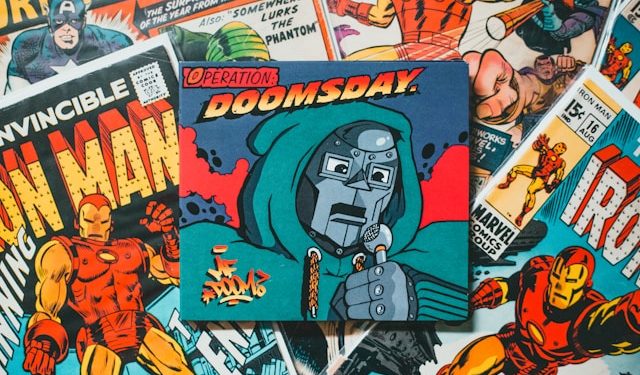
Collectible comics have long fascinated enthusiasts and investors alike. Initially, comics were seen as mere entertainment for children, but over time, their cultural and financial value has significantly evolved. Today, certain comic books are considered valuable assets, with some fetching thousands or even millions of dollars at auctions. The profitability of collectible comics is influenced by various factors, including rarity, condition, historical significance, and the popularity of the characters or creators involved.
The History of Comic Book Collecting
The origins of comic book collecting can be traced back to the early 20th century. The Golden Age of Comics, starting in the late 1930s, marked the debut of iconic characters like Superman and Batman. These early issues are now highly sought after by collectors. The Silver Age, beginning in the mid-1950s, introduced a new wave of superheroes, further cementing the comic book’s place in popular culture.
Key moments in the history of comic book collecting include:
- The Golden Age (1938-1956): Introduction of superheroes; early issues become highly collectible.
- The Silver Age (1956-1970): Revival of superhero comics; significant increase in the number of collectors.
- The Bronze Age (1970-1985): Introduction of more complex storylines and diverse characters; growth in the comic book market.
- The Modern Age (1985-present): Rise of independent publishers and digital comics; continued interest in vintage issues.
These periods have each contributed to the growth of comic book collecting, making it a dynamic and ever-evolving hobby. The value of collectible comics is not static; it fluctuates based on market demand, cultural trends, and the discovery of rare issues. Understanding the history and factors that influence comic book value is crucial for anyone looking to invest in this unique market.
Factors Influencing Comic Book Value
Several key factors determine the value of collectible comics, making them a potentially profitable investment. Understanding these factors is essential for collectors and investors alike.
Rarity: The scarcity of a comic book significantly impacts its value. Limited print runs, discontinued series, or issues that were not widely distributed are often more valuable. Rare variants, such as first editions or special covers, can also command higher prices.
Condition: The physical state of a comic book is crucial. Comics in mint or near-mint condition are far more valuable than those with visible wear and tear. Factors such as creases, tears, discoloration, and spine damage can drastically reduce a comic’s value.
Age: Older comics, particularly those from the Golden and Silver Ages, are generally more valuable. These periods produced many iconic characters and storylines, making early issues highly sought after by collectors.
Cultural Significance: Comics that feature the first appearance of a popular character or a significant storyline often have higher value. Issues that have had a substantial impact on popular culture or have been adapted into successful films or TV series also tend to be more valuable.
The Role of Grading in Comic Book Value
Comic book grading plays a pivotal role in determining the value and profitability of collectible comics. Grading provides a standardized assessment of a comic’s condition, which is crucial for buyers and sellers.
- Importance of Grading: Grading offers a reliable way to evaluate a comic’s condition, ensuring transparency in transactions. A professionally graded comic is more likely to fetch a higher price, as buyers have confidence in the assessed condition.
- How Grading Works: Comics are graded on a scale from 0.5 to 10, with 10 being perfect mint condition. Professional grading services, such as the Certified Guaranty Company (CGC), assess various aspects, including cover integrity, page quality, and overall preservation. The comic is then encapsulated in a protective case with a label indicating its grade.
- Impact on Value and Profitability: A higher grade can significantly increase a comic’s value. For instance, a comic graded at 9.8 can be worth exponentially more than the same issue graded at 7.0. Grading also helps in preserving the comic’s condition, making it a more secure investment over time.
Understanding these factors and the role of grading can help collectors make informed decisions, maximizing the value and profitability of their comic book investments.
Modern Trends in Comic Book Collecting
The comic book market has evolved significantly, with modern trends shaping the landscape of collecting. One notable trend is the rise of digital comics. Digital platforms offer convenience and accessibility, allowing readers to enjoy their favorite stories on various devices. However, when it comes to collectible value, physical copies still hold a distinct advantage.
Physical comics, especially vintage issues, are tangible assets that can appreciate over time. The tactile experience, coupled with the historical and cultural significance of older issues, makes them highly desirable among collectors. Limited print runs and special editions further enhance their value. Conversely, digital comics lack the scarcity and physical presence that drive the collectible market. While they offer a modern reading experience, they do not possess the same investment potential as physical copies. Collectors often prioritize physical comics for their potential to increase in value and their ability to be graded and preserved.
Comic Book Investment Strategies
Investing in collectible comics requires a strategic approach. Here are some tips to help you navigate the market:
- Identify Key Issues: Focus on comics with significant first appearances, landmark storylines, or those created by renowned artists and writers. Issues from the Golden and Silver Ages are particularly valuable.
- Assess Condition: Always evaluate the condition of a comic before purchasing. Mint or near-mint condition comics are more likely to appreciate in value. Consider professional grading to ensure accurate assessment.
- Research Market Trends: Stay informed about current market trends and demand. Popular characters and franchises often see spikes in value, especially with new movie or TV adaptations.
- Diversify Your Collection: Don’t put all your investment into a single comic or series. Diversifying your collection can mitigate risks and increase the potential for profit.
- Buy from Reputable Sources: Purchase comics from trusted dealers, auctions, or certified sellers to avoid counterfeit issues. Authenticity is crucial for maintaining value.
By following these strategies, collectors can make informed decisions, maximizing the profitability of their comic book investments.
Case Study: The Digital Collectible Market
In the realm of digital collectibles, items like CS:GO skins have garnered significant attention for their collectible value. Much like rare comic books, these digital assets can appreciate over time, driven by factors such as rarity, demand, and condition. The website CS2 ROI plays a crucial role in this market by helping users evaluate the profitability of their digital purchases. It provides detailed analytics and market trends, allowing collectors to make informed decisions about buying and selling CS:GO skins. This parallels the comic book market, where understanding the value and potential appreciation of an item is key to making profitable investments.
Notable High-Value Comic Sales
The comic book market has seen some extraordinary sales, highlighting the potential profitability of this collectible niche. Here are a few notable high-value comic book sales:
- Action Comics #1: Known for the first appearance of Superman, a copy of this comic sold for $3.2 million in 2014, making it one of the most expensive comic books ever sold.
- Detective Comics #27: Featuring the debut of Batman, this issue fetched $1.5 million at auction in 2020, underscoring the enduring popularity of iconic characters.
- Amazing Fantasy #15: The first appearance of Spider-Man, this comic sold for $1.1 million in 2011, demonstrating the high value placed on key character debuts.
- X-Men #1: The introduction of the X-Men team, this comic book sold for $492,937 in 2012, reflecting the significant interest in superhero team origins.
- Batman #1: Featuring the first appearance of the Joker and Catwoman, this issue sold for $567,625 in 2013, highlighting the value of significant character introductions.
These sales illustrate the immense profitability potential in comic book collecting, driven by factors such as character debuts, rarity, and historical significance. Understanding these elements can help collectors identify valuable issues and make informed investment decisions.
The Future of Comic Book Collecting
The future of comic book collecting is poised for significant transformation, influenced by digitalization, evolving consumer preferences, and potential market shifts.
Digitalization: The rise of digital comics has introduced a new dimension to the comic book industry. Digital platforms offer convenience and accessibility, allowing readers to enjoy their favorite stories on various devices. However, digital comics lack the tangible qualities that make physical copies valuable collectibles. While digital comics provide a modern reading experience, they do not possess the same investment potential as physical copies, which can be graded and preserved.
Changing Consumer Preferences: As new generations of collectors emerge, their preferences and behaviors will shape the market. Younger collectors may prioritize modern issues, independent publishers, and diverse storylines over classic superhero narratives. This shift could lead to increased demand for contemporary comics and a broader range of collectible genres.
Market Shifts: The comic book market is subject to fluctuations based on cultural trends, media adaptations, and economic factors. The success of comic book-based movies and TV shows can drive up the value of related issues. Additionally, economic conditions can influence disposable income and investment behaviors, impacting the overall market for collectible comics.
—
Collectible comics have evolved from simple entertainment to valuable assets, influenced by factors such as rarity, condition, age, and cultural significance. The history of comic book collecting highlights the dynamic nature of this hobby, with each era contributing to its growth. Modern trends, including the rise of digital comics and changing consumer preferences, continue to shape the landscape.
Understanding the factors that influence comic book value and the role of grading is crucial for maximizing profitability. Strategic investment approaches can help collectors make informed decisions:
- Identifying key issues
- Assessing condition
- Researching market trends
Notable high-value comic sales underscore the potential profitability of this niche market. As the comic book industry continues to evolve, collectors and investors must stay informed and adaptable, ensuring they capitalize on the opportunities within this unique and ever-changing market.